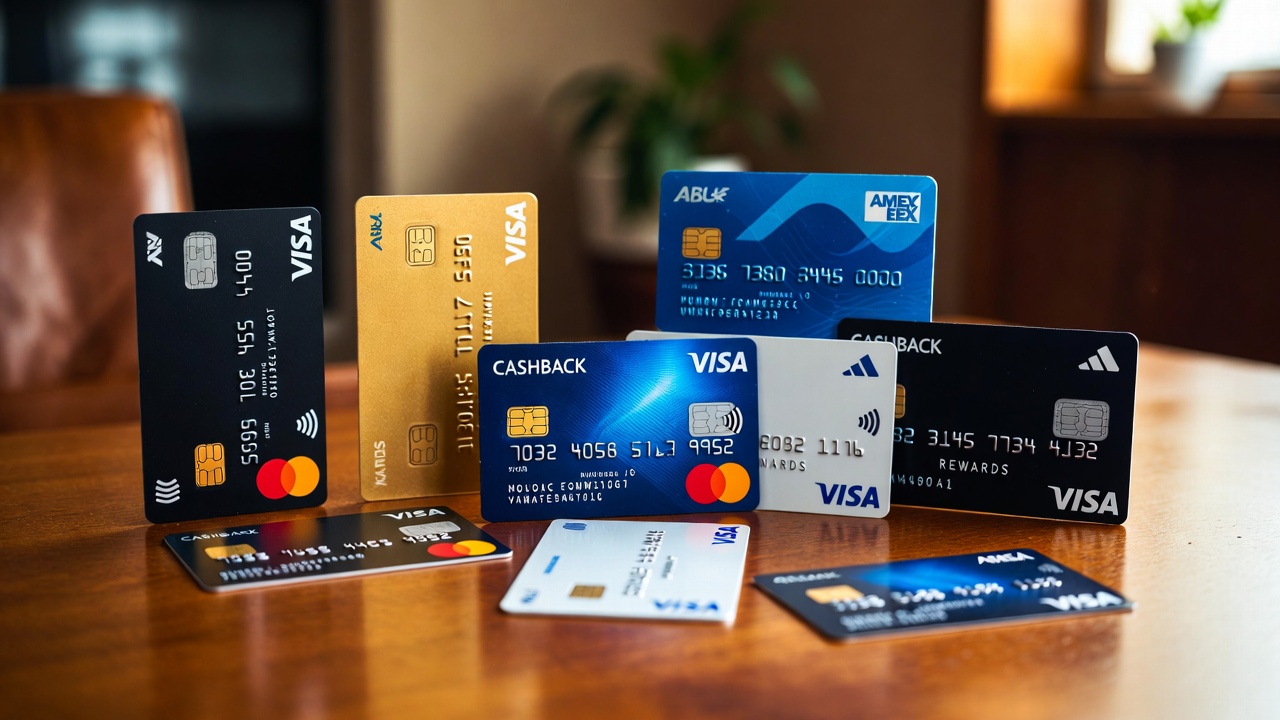
Let’s be honest—if you’re going to spend money anyway, you might as well earn something back.
That’s exactly why rewards and cashback credit cards are so popular in 2026. From groceries and gas to travel and online shopping, the right credit card can quietly return hundreds—or even thousands—of dollars to you every year.
But here’s the catch: not all rewards cards are created equal.
Some offer flashy sign-up bonuses but high annual fees. Others promise high cashback but limit categories. Choosing the wrong card can mean missed rewards or unnecessary costs.
In this guide, we’ll break down the best types of credit cards for rewards and cashback in 2026, how they work, what they cost, how to qualify, mistakes to avoid, and smart strategies to maximize your benefits.
Let’s dive in.
What Is a Rewards or Cashback Credit Card?
A rewards credit card gives you points, miles, or cash back for every dollar you spend.
There are three main types:
- Cashback cards – Earn a percentage of your spending back as cash.
- Points cards – Earn points that can be redeemed for travel, gift cards, or merchandise.
- Travel miles cards – Earn airline miles or travel credits.
Think of it like getting paid for your everyday purchases.
Buy groceries? Earn rewards.
Fill up gas? Earn rewards.
Book a hotel? Earn even more.
But to truly benefit, you must use the card responsibly.
How Rewards Credit Cards Work in 2026
Most rewards cards operate on a simple formula:
You spend → You earn rewards → You redeem rewards
Here’s an example:
If your card offers 2% cashback and you spend $20,000 per year:
$20,000 × 2% = $400 cashback annually
That’s real money.
Many cards also offer:
- Sign-up bonuses
- Rotating bonus categories
- Introductory 0% APR periods
- Travel insurance perks
- Purchase protection
The key is choosing a card that matches your lifestyle.
Best Types of Rewards & Cashback Credit Cards in 2026
Instead of focusing on brand names, let’s look at the best categories and what they offer.
1. Flat-Rate Cashback Cards
Best for simplicity.
Typical structure:
- 1.5% to 2% cashback on all purchases
Pros:
- Easy to use
- No category tracking
- No rotating bonuses
Best for: People who want predictable rewards without hassle.
2. Bonus Category Cashback Cards
These cards offer higher rewards in specific categories like:
- Groceries (3%–6%)
- Gas (3%–5%)
- Dining (3%–4%)
- Online shopping (5%)
Example:
| Category | Cashback Rate |
|---|---|
| Groceries | 5% |
| Gas | 3% |
| All Other Purchases | 1% |
If your spending matches these categories, you can earn significantly more.
3. Travel Rewards Credit Cards
Perfect for frequent travelers.
Benefits may include:
- Airline miles
- Hotel rewards
- Airport lounge access
- Travel insurance
- No foreign transaction fees
These cards often have annual fees but offer high-value perks.
4. Rotating Category Cards
These offer 5% cashback in categories that change quarterly.
Example:
- Q1: Grocery stores
- Q2: Gas stations
- Q3: Restaurants
- Q4: Online retailers
You must activate categories each quarter.
Great for strategic users.
Typical Costs and Fees to Consider
Rewards aren’t free if you’re not careful.
Here’s what to watch:
| Fee Type | Typical Range |
|---|---|
| Annual Fee | $0 – $550 |
| APR (Interest Rate) | 18% – 29% |
| Foreign Transaction Fee | 0% – 3% |
| Late Payment Fee | Up to $40 |
If you carry a balance, interest charges can quickly cancel out your rewards.
Example:
Earn $300 in cashback
Pay $600 in interest
That’s a loss.
Always aim to pay your balance in full each month.
Requirements to Qualify
Most top rewards cards require:
- Good to excellent credit (670+ score)
- Stable income
- Low debt-to-income ratio
- Clean payment history
Premium travel cards often require:
- 700+ credit score
- Higher income levels
If your credit score is lower, consider improving it before applying.
Better credit = better rewards.
Benefits of Rewards & Cashback Credit Cards
Used wisely, rewards cards offer powerful benefits.
1. Earn Passive Savings
You’re already spending money. Why not earn something back?
2. Sign-Up Bonuses
Many cards offer $200–$1,000+ bonuses if you meet spending requirements.
3. Purchase Protection
Covers damaged or stolen items.
4. Fraud Protection
Most cards offer zero liability for unauthorized charges.
5. Travel Perks
Free checked bags, hotel upgrades, and travel insurance.
It’s like unlocking VIP benefits for everyday spending.
Common Mistakes to Avoid
Rewards cards can backfire if misused.
1. Carrying a Balance
Interest charges erase rewards.
2. Overspending for Points
Never buy things you don’t need just to earn rewards.
3. Ignoring Annual Fees
Make sure the benefits outweigh the cost.
4. Missing Bonus Deadlines
Sign-up bonuses require minimum spending within a timeframe.
5. Applying for Too Many Cards
Multiple hard inquiries can lower your credit score.
Discipline is key.
How to Maximize Your Rewards in 2026
Here are smart strategies:
1. Match Cards to Spending Habits
If you spend heavily on groceries, choose a grocery-focused card.
2. Combine Multiple Cards
Use:
- One card for groceries
- One for travel
- One for general purchases
3. Automate Bill Payments
Put recurring bills on your rewards card (if no extra fees).
4. Redeem Wisely
Travel points often offer higher value than cashback redemptions.
5. Monitor Promotions
Some cards offer temporary bonus categories.
Small optimizations can increase rewards significantly.
Cashback vs Travel Rewards: Which Is Better?
Here’s a quick comparison:
| Feature | Cashback | Travel Rewards |
|---|---|---|
| Simplicity | Very easy | Moderate complexity |
| Flexibility | High | Limited to travel |
| Annual Fees | Often low | Often higher |
| Value Potential | Steady | Can be higher with strategy |
If you rarely travel, cashback is usually better.
If you travel frequently, travel rewards can offer exceptional value.
Are Rewards Credit Cards Worth It?
Yes—if used responsibly.
They are ideal for people who:
- Pay balances in full
- Track spending
- Avoid unnecessary debt
- Understand reward structures
They are not ideal for:
- People who carry high balances
- Impulse spenders
- Those struggling with debt
Used wisely, rewards cards can feel like getting a small raise every year.
Real-World Example
Imagine you spend:
- $6,000 on groceries
- $4,000 on gas
- $10,000 on general purchases
Using a mix of 5% grocery, 3% gas, and 2% flat-rate cards:
You could earn over $700 annually in cashback.
That’s money you didn’t have to work extra hours for.
Conclusion
The best credit cards for rewards and cashback in 2026 are the ones that align with your spending habits and financial discipline.
Flat-rate cards offer simplicity. Category cards offer higher rewards. Travel cards offer premium perks.
But the golden rule remains simple: always pay your balance in full.
When used strategically, rewards credit cards can turn everyday purchases into meaningful savings.
Spend smart. Earn more. Stay in control.
FAQs
1. What credit score do I need for top rewards cards?
Most require a score of 670 or higher for approval.
2. Do cashback rewards expire?
Some do, depending on the issuer. Always check terms.
3. Is it bad to have multiple rewards cards?
Not necessarily. If managed well, multiple cards can maximize rewards.
4. Can rewards credit cards hurt my credit score?
Only if you miss payments or carry high balances.
5. Are annual fee cards worth it?
They can be if the rewards and perks exceed the fee cost.